




The Essentials of Champagne: History, production, styles, and the reasons it is linked to celebration
Champagne has always been a sign of luxury and a symbol of celebration. It is famous for being fancy, expensive and a necessary accessory for special occasions and festivities. But what exactly is Champagne, how is it made, what are the different styles, and how did it become synonymous with celebration? Here is everything you need to know about this premium drink.
What is and what is not Champagne
Champagne is a sparkling wine that only comes from the region called “Champagne” located in Northeast France. To be called Champagne, the wine should be produced and bottled in this region, from grapes that are planted there too. There was a time when sparkling wines produced elsewhere were also referred to as Champagne, to leverage on the popularity and global reputation of the original French sparkling wine. However, the Champagne region issued strict laws in 1887 forbidding the use of the name except for their own authentic product, controlling fraud and exposing replicas that flooded the international markets.
How was Champagne born
Historically, sparkling wine in Champagne came about as an accident. In the 17th century, during an exceptionally freezing cold period in the Champagne region, wine fermentation was interrupted by the drop in temperature that paused the hard work of the yeast. When spring came and the temperature increased, the studious fungus resumed its work again, producing the natural byproduct (CO2 gas) that dissolved as bubbles in the sealed vessel. When the wine was eventually poured to be drunk, this fizz was not well received and many of the unamused drinkers even used wooden whisks to release it from the wine.
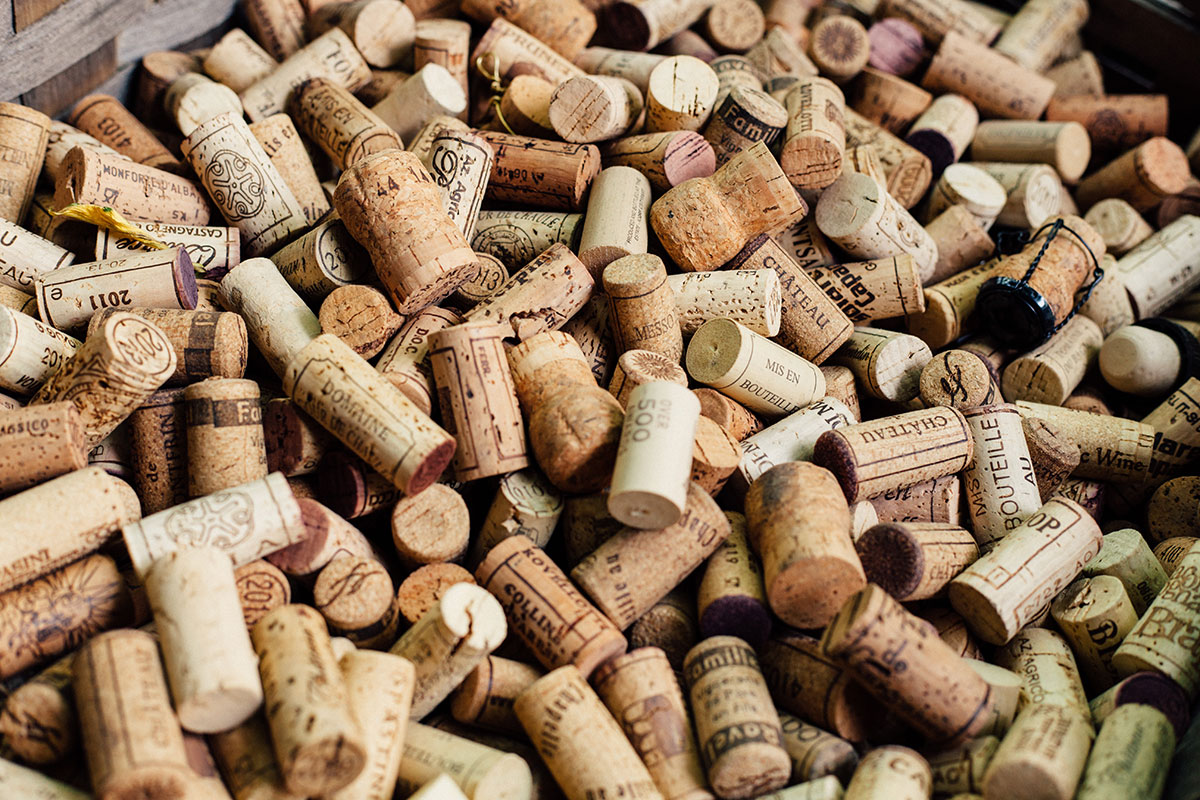
However, with the increased knowledge about yeast behavior, the invention of strong bottles (thanks to the English), and the development of corks for proper bottle closure, Champagne eventually became more stable and consistent. Between 1695 and 1698 the production of Champagne started becoming more intentional and then in 1729, the first champagne house “Ruinart” was established.
Why is Champagne tied with celebration
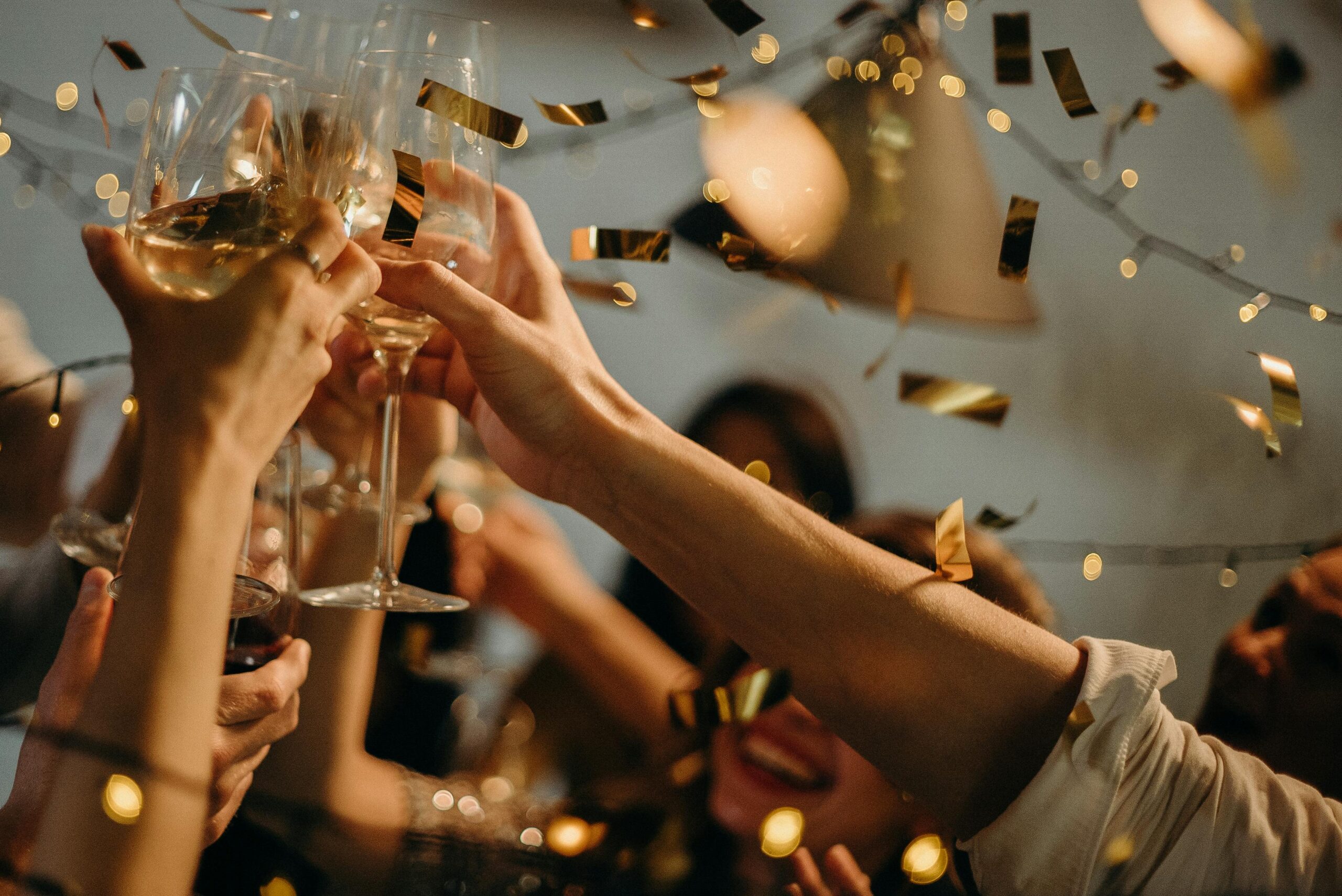
Over the next hundred years, Champagne became associated with wealth and celebration. The trend began with the successful textile merchants of Champagne gifting their rich clients cases of wine from their region. These “fizzy Champagne wines” became popular, getting great feedback from the wealthy clients, who were keen on having more. This also sparked the merchants’ interest in investing in and producing the fizzy wines themselves.
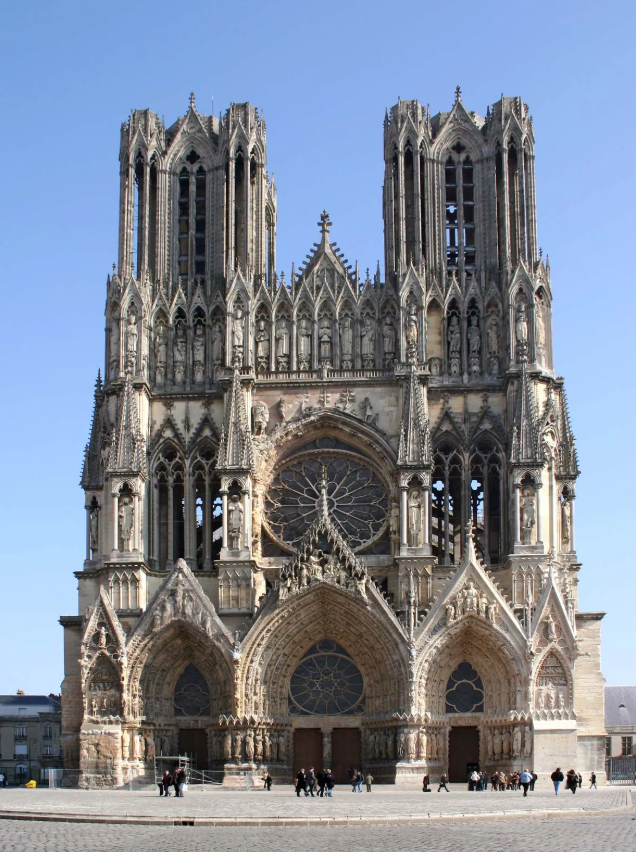
Champagne also built a reputation among the royal and noble families over the centuries, thanks to the location of the Cathedral of Reims at the heart of the Champagne region. 27 French kings were crowned in this cathedral, and Champagne was always flowing for the celebration of the coronations, emphasizing the link between Champagne and festive occasions.
Building blocks of Champagne
So how is this elegant and fancy drink made? Champagne is typically a blend of three main grape varieties: Chardonnay, Pinot Noir, and Meunier. Four other secondary grape varieties are permitted in the blend, and they are Pinot Blanc, Pinot Gris, Petit Meslier, and Arbane, but they are used very scarcely and constitute less than 1% of the plantings in the region.
Each of the three main grapes contributes important components to the Champagne blend. Chardonnay brings forth finesse, acidity, and freshness, offering floral and sometimes mineral notes. It also increases the sparkling wine’s ageing potential. If Champagne includes 100% Chardonnay, the style is called “Blanc de Blancs”- white wine made from white grapes- and this term will be proudly displayed on the label.
Pinot Noir is the most planted grape variety in the Champagne region, and it contributes red fruit flavors to the blend and adds body, structure, and power. Meunier, on the other hand, gives the wine roundness, suppleness, bright red fruit flavors and earthiness. If Champagne is made exclusively from one or both black grapes-Pinot Noir and Meunier- then the bottle will be labeled “Blanc de Noirs”-white wine made from black grapes.
How is Champagne produced
Champagne is primarily a type of wine that is fermented twice, the second taking place in a sealed bottle.
The first fermentation produces a “base wine” that is light and high in acidity with relatively low alcohol. It is important to note here that this base wine is generally blended from different vintages, and eventually the resulting wine is referred to as “Non-Vintage” Champagne. Over 70% of what most Champagne houses produce, every year, are non-vintage wines. Blending different vintages guarantee consistent flavor profile year on year. If the base wine comes from one year-which only happens if the harvest is extraordinary- then it is called “Vintage” Champagne. These are typically more complex and premium.
Now moving on to the second fermentation of the base wine, taking place inside the sealed bottle, the alcohol level slightly increases and the CO2 gas, which is naturally created as a byproduct, dissolves in the wine as bubbles/ fizz.
Keeping the sealed bottle on its side, after the second fermentation has been completed, allows the wine in the bottle to stay in contact with the dead yeast- known as lees- and as such it absorbs the different flavors imparted by this lees layer. These flavors are responsible for Champagne’s distinctive profile of bread, biscuit, toast, and brioche like flavors. The intensity of these flavors (called autolytic flavors) depends on the time the wine stays in contact with the lees. It is important to note here that Champagne usually stays a minimum of 12 months in contact/ageing on the lees. By law, it must stay an additional 3 months in the cellar, for Non-Vintage Champagne, and an additional 2 years for Vintage Champagne.
Sweetness in Champagne
After several labor-intensive techniques to eventually collect and remove the dead yeast from the bottle, a top up made of wine and a sugar mixture, called “dosage”, is added to the wine.
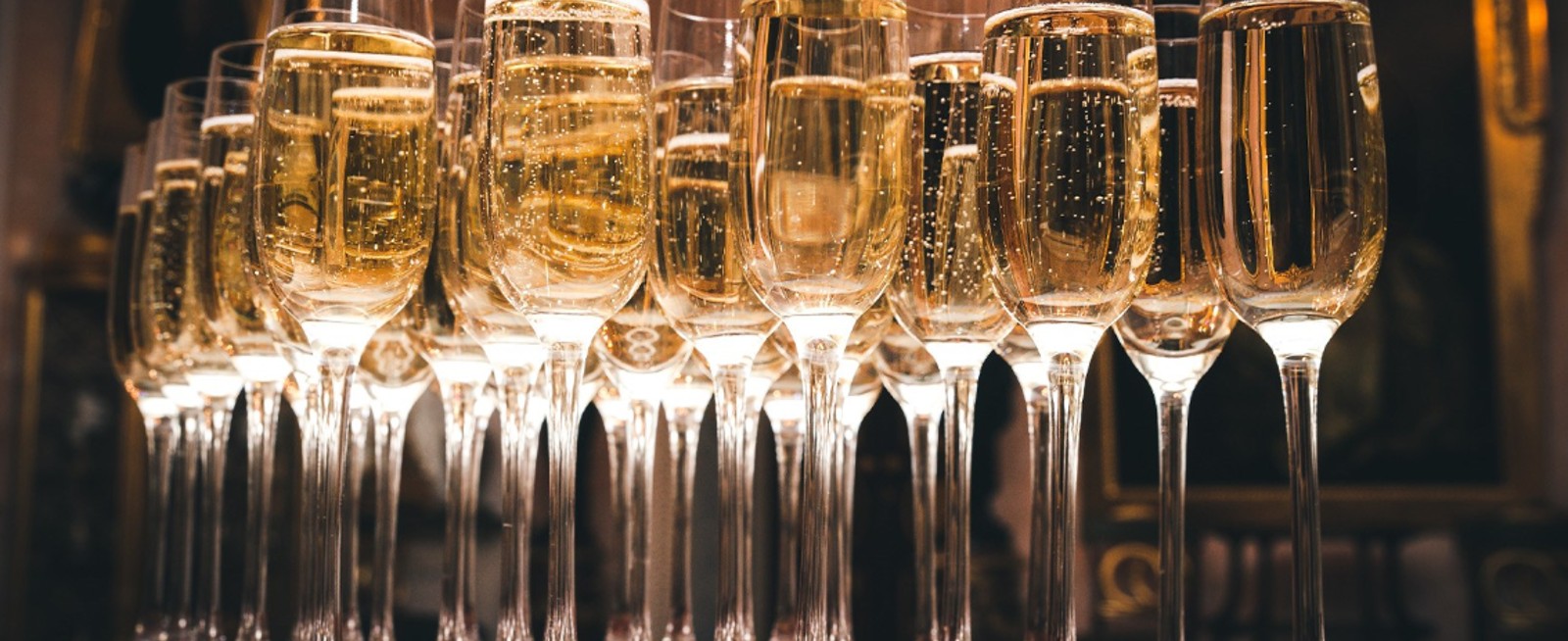
This “dosage” determines the level of sweetness in Champagne. The most common style in terms of sweetness is labeled “Brut” indicating that the bottle contains less than 12 g/L of sugar. In increasing level of sweetness, the styles are: “Brut Nature” which is bone dry, then “Extra Brut” then the most popular and slightly sweeter “Brut” followed by Extra Sec/Extra Dry , Sec/Dry, Demi Sec then the sweetest and least popular, Doux.
It’s interesting to note here that Brut Non-Vintage Champagne is the most produced and sold Champagne style around the world.
The present and future of Champagne
The vast majority of Champagne bottles sold globally are produced by 370 big Champagne houses and 130 cooperatives in Champagne. They source their grapes from 16,200 vine growers in the region. However, recently, there has been a rise in the number of vine growers producing their own Champagne from their own planted grapes. Their goal is to let their sparkling wines reflect the terroir and the land they tend to and cherish. These “Grower Champagnes”, despite their very limited production, are gaining popularity and receiving exceptionally good feedback from Champagne drinkers globally.
On the rise is also rosé Champagne whose most common production is blending white and red wines from the Champagne region to produce crisp and light base wine for the rosé champagne. Macerating red crushed grapes with their skins is also used to produce a more structured rosé.
Drinking sparkling wine, including Champagne, is increasing globally where consumers are having them more casually, not limiting them to special occasions. With this trend on the rise and with the enduring Champagne reputation, Champagne’s future will remain sparkling as it has been for hundreds of years.